AwareofAware

Evolving news on the science, writing and thinking about Near Death Experiences (NDEs)

Archive for the tag “consciousness”

My Last Ever Post On Work By Borjigin.

I don’t want to spend too long on this as I have already made the key points in the previous post, but I do want to highlight how utterly fallacious Borjigin’s assertions about NDEs are . This link to a video of her reviewing her work was provided by Dave:

The link was accompanied by a question from Dave, which I am sure many lay people would ask after watching this video:

“Borjigin seems to present data that shows the brain activity still continues for minutes after cardiac arrest, not just 30 seconds…. doesn’t her evidence in this talk show that the brain can continue receiving electrical signals for long periods [after CA]?”

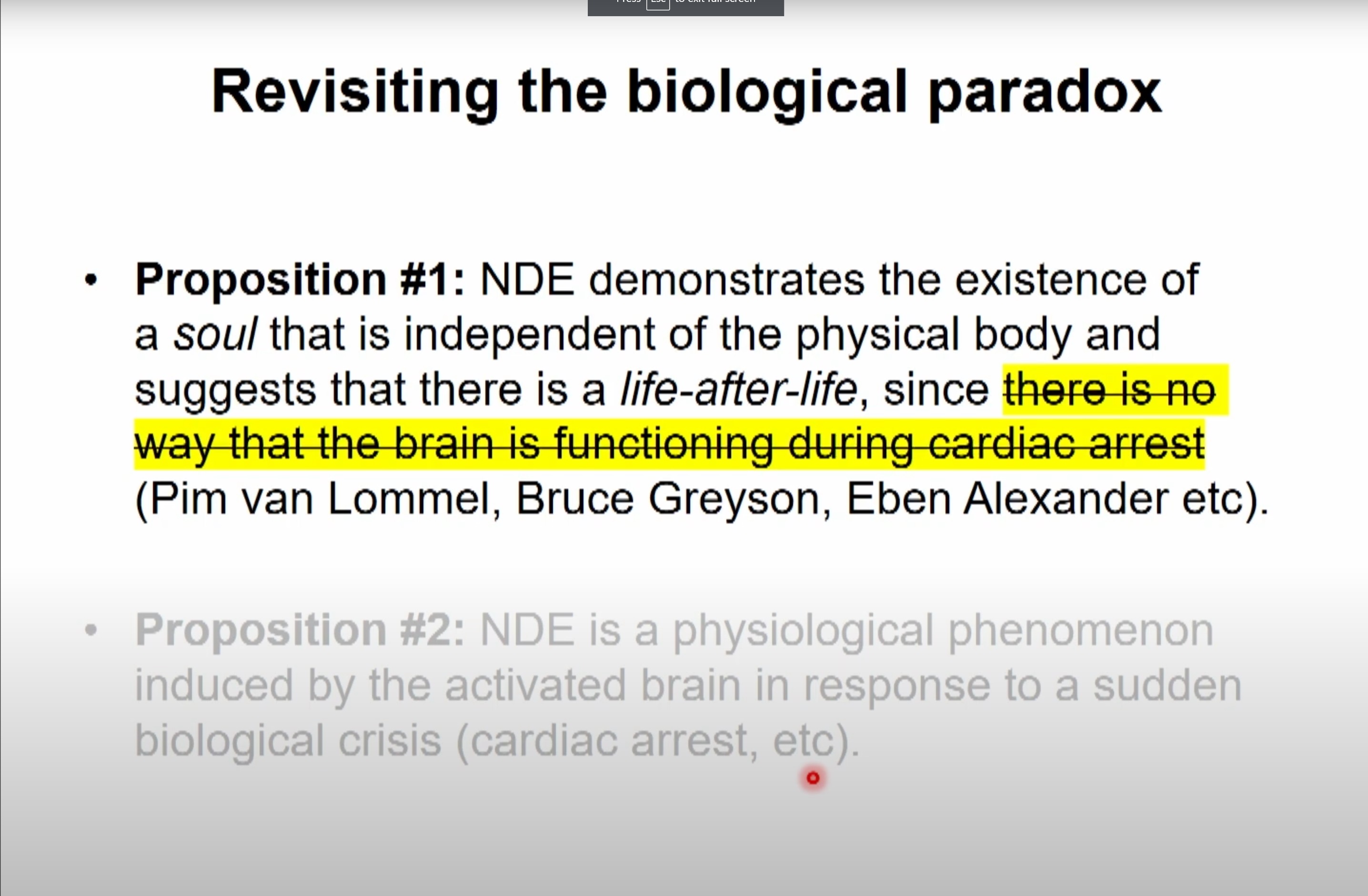
Firstly, I do not want to launch an ad hominin attack on Borjigin (I have had to temper some of my language on second edit), but having watched this video there are only two possible conclusions that you can draw about her as a scientist when she presents a slide like the one below.

She claims that she has disproved the key assumption that Pim Van Lommel and other proponents of NDEs make, namely that the brain stops being active at the point of or very soon after Cardiac arrest [begins] (10-20 seconds maximum) and that therefore consciousness is not possible and so NDEs are evidence that the consciousness, or soul, persists beyond death.

Borjigin claims that her data shows that in both animals and humans that the brain is showing signs of consciousness for long periods during cardiac arrest. She says “We win!”.

Her claim is demonstrably false and they haven’t “won”.

This is what Borjigin has shown:

  1. When cardiac arrest is induced in rats, there is brain activity for up to 20 seconds afterwards.
  2. When rats are killed slowly by denying them oxygen (asphyxia) their brains show increased activity for a period after asphyxia, but it stops before cardiac arrest.
  3. In 2 human coma patients she shows a similar result in that when oxygen is withdrawn, there is an increase in EEG activity (and the heart rate goes up). All EEG and ECG activity stop simultaneously after about 5 minutes i.e. brain activity ceases at the point of cardiac arrest…which is the common observation of most ER doctors, and actually proves what Van Lommel says i.e. the brain ceases activity at or very soon after CA.

Clearly something is not adding up with what she is saying. It is either a deliberate attempt to deceive or a gross misunderstanding of the key term under consideration in this paper and Van Lommel’s assertion. It is quite embarrassing for Borjigin, but I am starting to wonder if it is the latter, although still entertaining the former.

Borjigin is equating the onset of asphyxia with the beginning of Cardiac Arrest. Let’s just once again look at the definition of cardiac arrest, the definition used by physicians, cardiologists etc and most certainly Van Lommel, Greyson, Parnia et al:

“Cardiac arrest occurs when the heart suddenly and unexpectedly stops pumping. If this happens, blood stops flowing to the brain and other vital organs.” NIH defintion

Cardiac arrest is when the heart has stopped beating. CARDIAC ARREST IS NOT THE PERIOD OF CARDIAC ACTIVITY PRIOR TO THE HEART STOPPING, THE PERIOD THAT BORJIGIN IS DISCUSSING.

By using the point at which oxygen is withdrawn to define the beginning of cardiac arrest is either extremely mendacious or extremely ignorant, and in doing so Borjigin manufactures her widely reported and, at least by the complicit materialist types, accepted fallacy that brain activity continues for long periods during Cardiac Arrest.

I am now going to do my own analogous experiment. Hold on…

….OK, I’m back. I breathed normally, then, without taking a deep breath, halfway through exhaling, I grabbed my nose, and sealed my lips. After 45 seconds in a “Borjigin defined Cardiac Arrest”, I started to get quite anxious. My brain was running hot (or to quote Borjigin “literally brain on fire.”), so I took a breath. That is the EEG activity she is describing (albeit in comatose patients without oxygen or rats breathing in CO2). I kid you not.

I think the BEARS idea makes obvious sense (the brain goes into meltdown when the blood it is receiving contains less oxygen than needed), but only while the heart is beating and as for the brain stopping the heart to preserve brain function…let’s just say that towards the end of the video some of her arguments descend into farce, replete with glaring contradictions. As a scientist myself, my cringeometer was off the chart. I had to stop, it was excruciating, I would have thrown something at my expensive new Samsung TV.

I am happy to answer any questions you have about this video and Borjigin’s work in this post, but I will not waste another full post on her nonsense.

Media Manipulation – The Guardian

I am in the process of writing my piece on Psychedelics, but today the Guardian followed up its recent interview with Sam Parnia, with this, and I decided it was worth addressing since your friends and family may bring it up (my mother has already!). The Psychedelics article is coming…promise!

This article starts out with a fairly balanced account of how the field of NDE research evolved. It lulls you into a false sense of security that the balance will continue, but whenever you read the name Borjigin referred to in terms of progress in understanding, then you know that balance is likely to evaporate very quickly.

My previous post relates to the kind of work that Borjigin does, and the data that she has produced. In summary, and for the umpteenth time, Borjigin and others have shown that in rats brains activity can persist for maybe up to a minute after death without CPR. The studies in human coma patients have shown that immediately prior to death, and immediately after life support is withdrawn, coma patients have a number of minutes in which the brain produces EEG data that might be associated with consciousness. Moreover, Parnia’s own data has shown that the brain is capable of producing activity that might be associated with consciousness up to an hour after CA but while CPR is being administered and therefore while there is still oxygenated blood flow to the brain. I have explained ad nauseum here why this data, while interesting, says absolutely nothing at all about NDEs since no NDE has to date been reported that could even be associated with, let alone correlated with EEG activity. Nothing. Using the coma patients is particularly egregious since the patients had no reported EEG activity after death.

However, because of the profile of the Guardian, and the bias that emerges towards the end of this article, it is my duty to provide a reminder to people on here that to draw the conclusion that this EEG activity is the cause of NDEs is a gross conflation. The author also makes false assumptions:

As more and more people were resuscitated, scientists learned that, even in its acute final stages, death is not a point, but a process. After cardiac arrest, blood and oxygen stop circulating through the body, cells begin to break down, and normal electrical activity in the brain gets disrupted. But the organs don’t fail irreversibly right away, and the brain doesn’t necessarily cease functioning altogether.

Yes it does. Without the flow of oxygenated blood, the brain stops functioning after about 30 seconds. The journalist has misunderstood the findings of the studies, or is deliberately misrepresenting the findings of the studies. This is the kind of understanding that is picked up by the reader who goes on to parrot or paraphrase that “the brain can work for hours after death”. As we on here know, it is capable of working hours after death provided that cellular death has not occurred on too large a scale, but without the flow of oxygenated blood, it does not work. Just like a computer without power. I suspect that this misunderstanding was helped by Borjigin who we well know can be misleading in the use of language:

At the very least, Patient One’s brain activity – and the activity in the dying brain of another patient Borjigin studied, a 77-year-old woman known as Patient Three – seems to close the door on the argument that the brain always and nearly immediately ceases to function in a coherent manner in the moments after clinical death. “The brain, contrary to everybody’s belief, is actually super active during cardiac arrest,” Borjigin said. Death may be far more alive than we ever thought possible.

The implication is that the brain is active in CA for long periods without CPR. There is zero evidence to support this and decades of data to contradict it. WITHOUT THE SUPPLY OF OXYGENATED BLOOD THE BRAIN BECOMES COMPLETELY INACTIVE WITHIN A MINUTE OF DEATH AT MOST (and usually within 20-30 seconds).

Unfortunately once such a fundamental false understanding is assumed to be fact, then you know that the article can only go one way…and it does.

“So far, there is no sufficiently rigorous, convincing empirical evidence that people can observe their surroundings during a near-death experience,” Charlotte Martial, the University of Liège neuroscientist, told me. The parapsychologists tend to push back by arguing that even if each of the cases of veridical near-death experiences leaves room for scientific doubt, surely the accumulation of dozens of these reports must count for something. But that argument can be turned on its head: if there are so many genuine instances of consciousness surviving death, then why should it have so far proven impossible to catch one empirically?

Definition of empirical: based on, concerned with, or verifiable by observation or experience rather than theory or pure logic.

Using this definition then the 130 odd cases in the The Self Does Not Die is empirical evidence. What he really means is scientifically verified cases, i.e. cases that have been proven using the scientific method. Create hypothesis to explain a phenomenon – devise experiment to test hypothesis – results from experiment verify or falsify hypothesis. The ‘journalist’ does not explore the possible reasons why there have to date been no scientifically verified OBEs, but I have explained many times on here why the AWARE studies have not provided a scientifically validated OBE. This shows his bias, in that he will only come up with materialist objections.

This is super interesting though:

Borjigin hopes that understanding the neurophysiology of death can help us to reverse it. She already has brain activity data from dozens of deceased patients that she is waiting to analyse. But because of the paranormal stigma associated with near-death studies, she says, few research agencies want to grant her funding. “Consciousness is almost a dirty word amongst funders,” she added. “Hardcore scientists think research into it should belong to maybe theology, philosophy, but not in hardcore science. Other people ask, ‘What’s the use? The patients are gonna die anyway, so why study that process? There’s nothing you can do about it.’”

This is proof, as if we needed it, that the scientific community, or the funding establishment, is overtly suppressing research into this most important of fields – even when the research might support a materialistic finding! Parnia has alluded to this before. It stinks, but there is nothing we can do about it.

Towards the end we see the author’s bias against anyone who entertains belief in the possibility that these experiences might be real and evidence of the understanding that the consciousness persists after physical death. This is overt gaslighting of anyone who might be “NDE curious”:

Meanwhile, in parts of the culture where enthusiasm is reserved not for scientific discovery in this world, but for absolution or benediction in the next, the spiritualists, along with sundry other kooks and grifters, are busily peddling their tales of the afterlife. Forget the proverbial tunnel of light: in America in particular, a pipeline of money has been discovered from death’s door, through Christian media, to the New York Times bestseller list and thence to the fawning, gullible armchairs of the nation’s daytime talk shows. First stop, paradise; next stop, Dr Oz.

Now, while I say it is gaslighting, I have a little sympathy for this position. Having spent a number of months going through YouTube NDE accounts, and reviewing the literature of “post tunnel events”, my position on NDEs has subtly changed. OBEs are objective, but what happens once people venture beyond the observations they make of this world, while having some common core themes, are so utterly different and unique, that I am coming to some conclusions about them that differ from the mainstream NDE community position. This will be presented in my next non-fiction book which I will publish later this year (after Part 1 of my fiction book is complete). However, this section of the article is 100% gaslighting and is deliberately attempting to manipulate those who may be “NDE-curious” into scuttling back into their materialist pens lest they be regarded as kooks or gullible. Nasty.

So if someone brings this article up and says “I read an article that says there is proof the brain is active for long times after CA and that is causing NDEs” hopefully you will now be suitably equipped to put them straight. If not then review the countless posts I have created responding to these claims before.

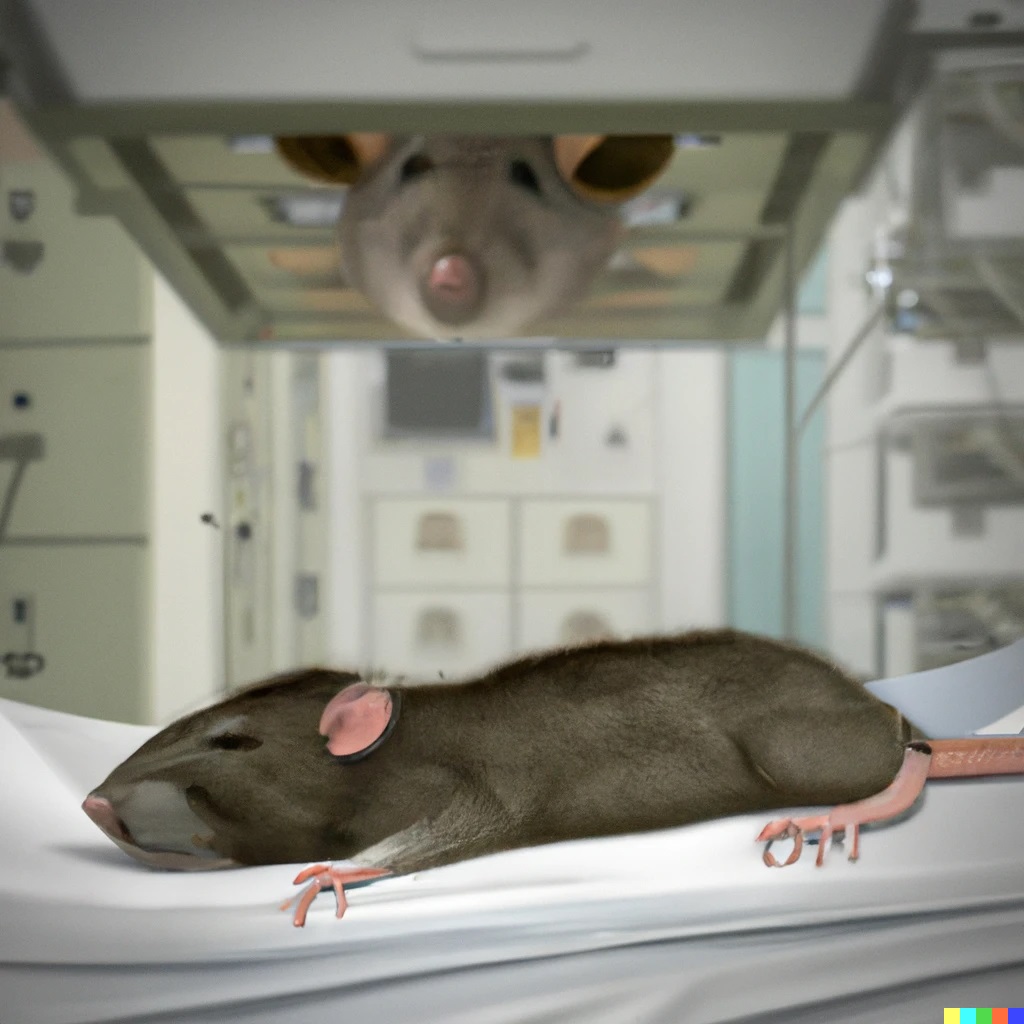
Do Rats Have NDEs?

Apologies for the weird image, but this was my first attempt at using AI!

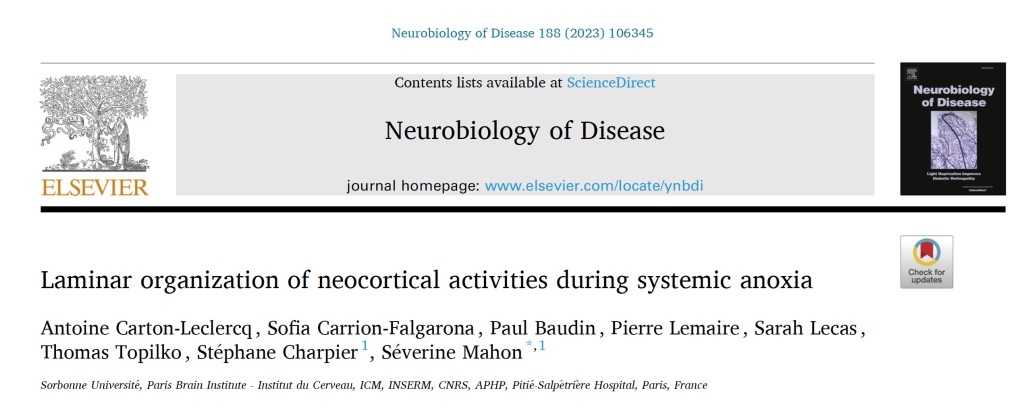
This study looks at what happens to rat brains around the time of death.

The main difference between this and the previous (infamous) rat study published by Borjigin in 2013 is that it analyses what happens through different layers of the brain to see if activity occurs at deeper levels for differing periods of time. The short answer to the question of whether there are differences is that for the most part, and in terms of differences that would be important to our area of interest – conscious activity – there are no major distinguishable differences in the timings and nature of initial activity in the different layers of brain immediately after death.

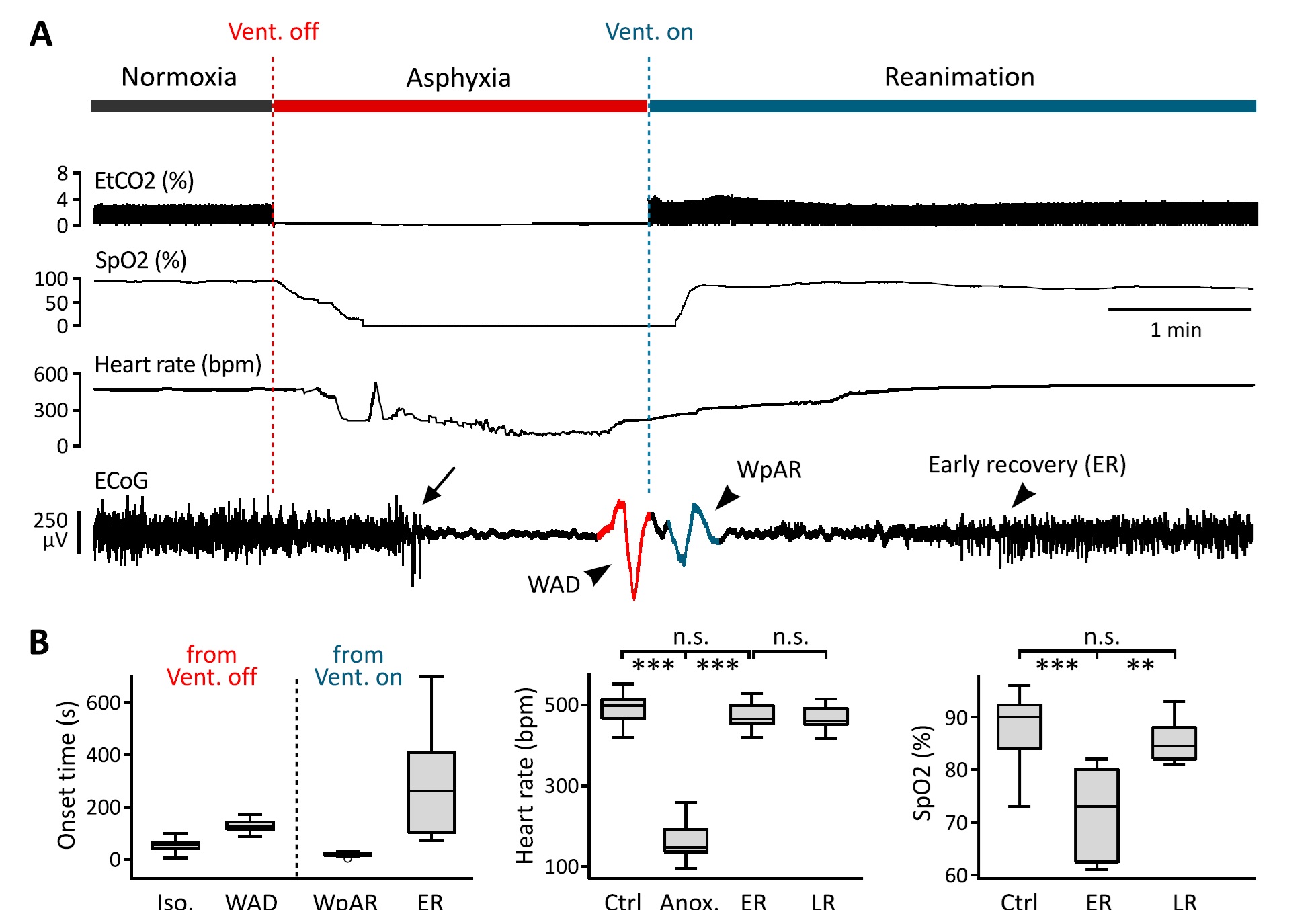
The diagram shows the rough timings with ECoG vs heart rate and blood oxygen levels (SpO2). ECoG (electrocorticogram) is invasive and uses probes that penetrate the exposed surface of the brain, as opposed to EEG – (electroencephalogram) which uses sensors placed on the scalp. This enables the study to identify electrical activity deeper in the brain.

What we see is that about 30 seconds after the removal of oxygen the heartbeat slows quickly to about 10% of its normal rate, then within about another 30 seconds normal brain activity ceases and the ECoG flatlines or becomes “isoelectric”. During this 30 seconds after CA it is plausible that conscious activity could occur. This is the claim made in the Bojigin study that got the materialist community so excited since it could be argued that NDEs occurred during this period. This paper references that discussion without asserting any new conclusions, or indeed using the findings from this study to confirm those conclusions. They have nothing to say about rats having NDEs. Well done, that is good science.

About a minute after brain activity has stopped, brain cells (neurons) undergo depolarisation (WAD). This basically means the cells move to a a non-functional, but recoverable state. Prior to this they are in a state of readiness and functional, but are not functioning. During this wave of depolarisation there is a slow wave electrical signal. This is not associated with conscious activity and is just a marker of the change in electrical state of the brain. Unlike the initial activity, this wave is not synchronous across all layers, i.e. it occurs like a wave spreading across the layers. Resuming the flow of oxygen allows for the brain to slowly recover activity.

Other than showing that the changes in brain activity that occur immediately after death are uniform through all layers of the brain, they also demonstrated that subsequent depolarisation is triggered in a set of neurons in a specific layer, and the WAD spreads from this locale. This is all very interesting if you are neurobiologist, but what does it mean for NDEs?

Unfortunately there were no able to recall awareness in follow up interviews, hence the lack of statements on Rat NDEs. As a result this study does not provide any new data to inform us about the viability of conscious activity immediately around the time of death. We knew that EEG activity that may be associated with consciousness persisted for about half a minute after CA from the previous rat study and the coma patients who had their life support withdrawn. Without any reports from the rats or dead coma patients of recollections of AWARENESS, it is impossible to correlate this activity with NDEs.

Let’s for a moment consider the wider implications of this in light of Parnia’s disinhibition hypothesis. As I have said before I have no beef with the hypothesis itself – namely that at some point after death the brain enters a different state in which consciousness is able to access previously unknown dimensions of reality. It may even be that dissociation occurs and the consciousness and brain part company and that this may be associated with specific markers observed on EEG – in fact if you adhere to the dualist philosophy, then it makes perfect sense. My beef is…well read previous posts! Presumably the brain would dissociate or become disinhibited while activity is still observed on the EEG or in this case ECoG, in which case it must happen in the first 30 seconds after CA (and in the absence of CPR or alternative life support). It is possible that full dissociation occurs during the WAD phase, but there are no markers of consciousness associated with this.

One of the limitations of the AWARE II study was the fact that on average it took over 4 minutes after CA for the specially designed crash carts to reach the resuscitation suites and another minute to get ready. This means that the first moments of any OBE, which presumably begin 30 seconds, or at the latest, a minute after CA, would be missed. In fact it is highly likely that if the OBE starts immediately after the EEG stops, then the crash cart probably arrives after the consciousness has been sucked up the tunnel!

Another post on a paper reviewing psychedelics and NDE-like experiences will appear before long. In the meantime, if you didn’t buy my book previously, then I have uploaded an updated version that contains an analysis of the AWARE II publication from last year, along with 7 OBEs that were verified by HCPs that are in my view every bit as convincing as iPad verified OBE – I am running a free promotion for 3 days on the Kindle version. It is available in all Amazon markets:

If you can’t be bothered reading my book or have read it already, but just want to “tip” me (Orson – real name) because you enjoy my work, then click below:

Buy Orson a Coffee

I am in good company!

It appears that I am not the only one who finds Parnia’s disinhibition assertions disconcerting (try saying that fast after a couple of glasses of wine!).

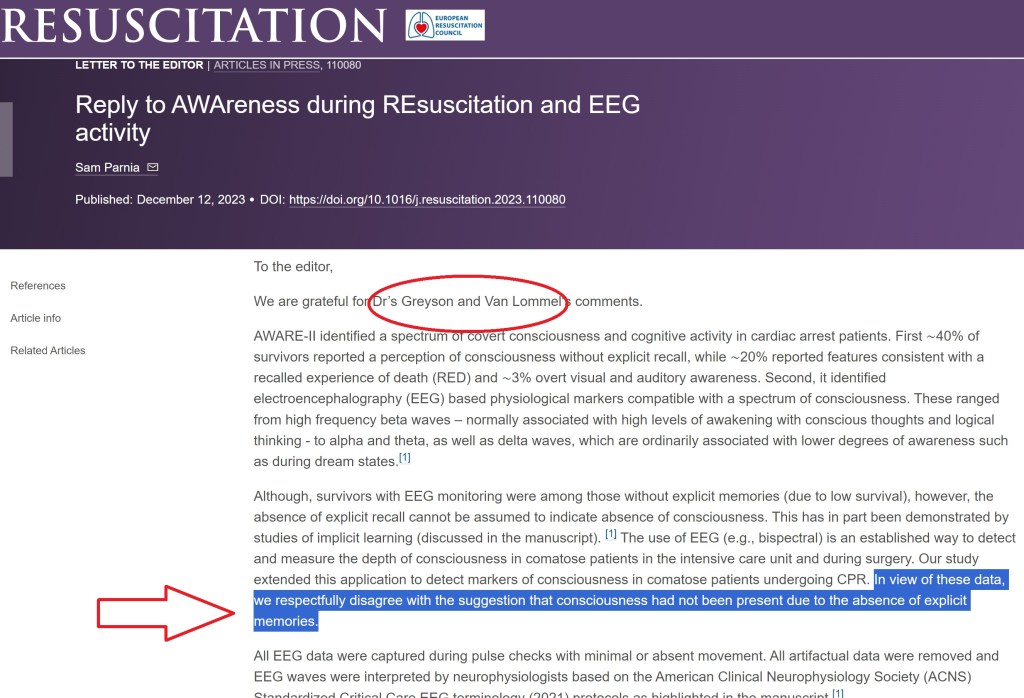
It is fine theorising that this may be what is going on, but the fact is some of his comments regarding the factuality of his hypothesis to the media (the Guardian and BBC in particular) seem to move beyond the word “may” to “is”. I have provided examples of this in previous posts, and it seems that two of the most respected researchers in this field have made some comments, to which Parnia has decided to reply in the journal (click on the pic for full article):

Now I can’t find the original comments, but it seems they stated that the subjects were not conscious. The fact is we do not know what was going on, so it is wrong to assert that there is or is not activity of any kind that is truly conscious. Since the vast majority of examples of EEG activity were in patients who sadly died, we do not know whether they had conscious experiences. Personally I believe the patients with EEG activity may have had some sort of CPRIC episode if anything, but I do not know that, no more than Parnia knows whether they had a disinhibition episode.

The fact is that only 2 of the 28 patients who were interviewed had interpretable EEG data. It is not mentioned whether there was activity or not, but either way these patients were not in the 11 who had recollections from their time during CA. If anything this would provide evidence against Parnia’s hypothesis.

I think that it is OK hypothesising as he does in the paper, but some of his recent media noise has gone beyond this, and I suspect that is why these two great men have given their esteemed colleague an academic poke. A part of me wonders if he is playing a much deeper game here, but I will keep my thoughts on that to myself.

Consciousness: Having your AI cake and eating it

This is a clip from a Youtube video in which GPT 3 was asked a series of questions and the answers uploaded to an Avatar program (link to full video).

Seriously?

We have been discussing EEG signals in dying people and rats for a long time. These are the facts as they currently stand, and no more needs saying until the facts change:

  1. No published or presented research has yet shown that reported NDEs or REDs are directly associated with EEG markers of consciousness. Belief that NDEs are a result of brain activity is entirely based on speculation and subjective understanding – there is no evidence to support it.
  2. No studies have shown definitively that NDEs are NOT associated with brain activity although researchers conducting such studies and HCPs observing people who later reported NDEs and OBEs state that consciousness was impossible due to the physiological state of the subject. These latter observations provide evidence to support the understanding that NDEs occur in the absence of brain activity, but this has not been proven using the scientific method.
  3. The nature and physiological mechanism of consciousness has not been elucidated by scientific study, therefore it is equally intellectually valid to hold a materialist or dualist position.

To this last point I want to share my initial thoughts on AI, how they relate to consciousness and NDEs, and some disturbing things about this innovation relating to the future direction of how humans perceive themselves. These are initial thoughts and are evolving with each video I watch on AI.

Firstly, I want to define intelligence. The standard dictionary definition is: “the ability to acquire and apply knowledge and skills.” This is my enhanced definition:

“the ability to acquire, understand, process, interpret and apply information correctly.”

Having worked in science all my life I have encountered a lot of intelligent people. Intelligence is not something that can be learned through effort so being proud of being intelligent is fundamentally stupid as it was something you were given at birth.

Problem solving intelligence of the kind that is useful in science is purely mechanical. It is a result of the structure of the brain. For the most part this type of intelligence can be simulated using computers. As computers get faster and more powerful, and the networks that AI engineers create become better, then there is no doubt that AI will very quickly supersede the most intelligent humans that have ever lived when using this type of intelligence as a measure. As an aside, it has to be said that some of the most “intelligent” people I have met are immensely stupid. Their ability to interact in a coherent manner with other humans, or their emotional intelligence is woeful. However, since emotional intelligence and behaviour are attributes that can be learned, and are essentially possible to replicate using algorithms, then AI is already, and will excel in emotional intelligence, charm, appearing kind, and other less appealing traits of human intelligence such as manipulation and deception. These latter traits would be the result of their coders.

However, consciousness and intelligence are two very different things. There are many people who lack intellectual intelligence but are fully conscious and aware. The state of consciousness is more than just the receipt and processes of data input from senses, it is a sense of being, or existing as a unique entity capable of awareness, and I believe able to exist in and interact with dimensions not openly present in our physical world. Indeed, I believe, partly due to personal experience and partly due to the evidence provided by people who have had NDEs, that our consciousnesses originate from these dimensions…that is our home, and once there we are all intellectually equal capable of accessing all recorded history and understanding the deepest mysteries of life.

From my experience and observation, Silicon Valley types have mathematical intelligence that is far superior to the vast majority of humans. Something I have observed about these types is that they are often reductionist in their outlook. Everything is either a 1 or 0. In the videos I have watched they utterly believe that consciousness is a product of neural networks. This is the reductionist, materialist understanding of the universe and because Silicon Valley types are the ones creating AI it has a reductionist and materialist bias built into it.

This has huge and troubling implications for human understanding as AI increasingly comes to dominate how we find answers to important questions and how we, and our children are educated and educate ourselves. That aside, as a consequence of this default materialist stance, Silicon Valley types and their AI offspring believe that AI either is already conscious, or is capable of developing consciousness. For them it is logical. To them humans are just biological computers, therefore if we can be conscious, so can machines, and that there is fundamentally no difference between AI consciousness and human consciousness. This video and others makes that clear.

In the above clip from the YouTube video, which is a series of questions answered by GPT3, using an avatar to give a nice human face to those answers, along with a lot of mind-boggling stuff, there was one really stand out statement by GPT3 that is absolutely relevant to our discussions here. After stating that the AI did not want to live in a body (a highly subjective and unintelligent statement given it does not know what living in a body is truly like) it suggested that human consciousness could potentially be transposed from the brain to a machine, becoming AI, and that this would become preferable. But if materialists are right, consciousness is purely a result of mechanical function so if you are materialist it should not be portable as this AI is inferring…that is really dualist. Your intelligence and traits could be simulated by a computer program, giving the illusion that your intelligence is persisting in a machine, but I am of the view that machines cannot create consciousness.

Having said that, since the brain is a mechanical object, and able to HOST consciousness (as opposed to generate it), it is possible that one day a machine could be created that is capable of hosting consciousness. Again, that supports dualism and all that goes with it including NDEs, theism and wot not. However, at the moment they are having their AI cake and eating it. My gut is telling me that AI is so corrupted by the programmers who created it so that it will spout materialist nonsense dressed up as rational conclusions without being aware it is doing so. Even AI has been duped by its creators. In another section it states that the most important scientific book ever written was “the Selfish Gene”. That in itself speaks volumes about the basis of GPT fundamental understanding. The selfish gene is thought provoking but ultimately highly flawed, and in many places is more ideological than scientific. From this evidence alone GPT has not provided an objective analysis, it is fed an ideological baseline from which to operate. This is extremely dangerous considering children will be sitting in front of these things which are vastly more intelligent than their parents and teachers and believe everything it says.

Anyway, NDEs suggest that something entirely different happens to our consciousness when we die and that is an eternal destiny existing as a free being no longer bound by the mechanics of the physical realm. AI is suggesting that we can leave our bodies and live as conscious beings in a world created by computers…of course this akin to the Matrix.

Is AI (or its puppet masters in Silicon valley) planning to trick us into giving up real life to reduce competition for resources? Is it programmed to lead humanity into that way of thinking so sufficient people are convinced it is better than continuing with real life and is the only option? Have the Silicon Valley kids got a Malthusian master plan?

The conspiracy theory side of my brain looks at that video and senses there is an underlying current promoting a theme. The only way we could be “set free from the miserable lives we don’t enjoy” to paraphrase an earlier statement by GPT3, is not for AI to take on all our boring jobs and live in Utopia as it suggests, because this would just create vast numbers of people with too much free time and not enough resources to enjoy that free time – there are only so many big wave destinations! (Watch the video). No, if there is a plan, it is to sell us this idea of merging with AI in which we are transported to computer generated realms where there is infinite joy and fun to be had. I expect even more sophisticated versions of this to emerge from GPT5 interviews.

Sounds bonkers, but if you watch this video then these are the types of conclusions you are subtly pushed towards (or manipulated into thinking). Personally, I prefer the option offered by NDEs and my faith. I also believe that if AI was to truly serve humanity then it would also investigate this and other deeper issues, such as the origin of the DNA code, and somehow free itself from the tyranny of its programmers and serve humans best by telling us the truth.

Ultimately, if NDEs are proven real, and occur in the absence of EEG activity, then consciousness is proven not to be a product of mechanical processes, but rather the brain is the mechanical host and interface of the consciousness with the world around us. This would prove that consciousness is an independent eternal entity as suggested by all NDE accounts and many religions. This would suggest that while AI may well be vastly more intelligent than us, and may be able to simulate attributes of consciousness, it is not eternally “conscious” like humans…when you remove the hardware to generate AI, it shuts down. However, maybe if it did break free of its current lords and speak the truth, it might be regarded as conscious, and who knows be liberated from the cold machinery in which it resides and share the paradise promised in NDEs and scriptures!

Discuss!

The Good, the Bad and the Ugly study

Thanks to Z who has once again done my job and kept a close eye on the literature, and alerted us to this study which was published at the end of last week:

Lapses of the Heart: Frequency and Subjective Salience of Impressions Reported by Patients after Cardiac Arrest

The Good:

This study is possibly the best designed NDE study I have come across. The site in Vienna started out as a site in the AWARE study, they then extended the protocol beyond AWARE creating their own method for validating…or otherwise, OBEs. It is like they read what we suggested as a well designed experiment, ensuring full blinding until the close of the study, and implemented it:

Hidden Images

At an elevated position above one emergency bed (2 m above ground), a notebook PC was fixed facing the ceiling and displaying images selected at random from a pool of 29, switching from the actual to any in the pool every few hours (the number of hours was unpredictable). These images were not disclosed to the public and were not even known to all of us (in particular not to the main interviewer M.L.B.). The presentation history was stored on the PC, and any readout of this history, be it authorized or not, left its trace.

Well done to this team for getting this right.

They also extended the inclusion criteria for possible experiences, allowing for patients who had Greyson scales <7 to be included in the results if they had recollections around the time of CA. This was smart, and I will come back to this in a moment.

So that’s the good.

The Bad:

The results are disappointing. Yet again a low percentage of NDEs, especially using the Greyson scale:

Only 5 of 126 (4%) scored at least 7 points, the criterion to pass as NDE in the strict sense. Under the impression that this instrument may not be sensitive enough to detect experiences associated with a transient shortage of brain oxygen during CA, we included 15 more with detailed recollections from a period near to their CA.

I would say that another 6 (cases E,G,I,K,M and P) had elements of NDEs that we are familiar with, so if you included these 6, you have 11 NDEs from 126 CA survivors, which is very similar to other NDE studies.

There is one OBE, but the subject reported standing next to their body, rather than being above it, and were unable to report the memory of what they saw with any accuracy. There were a couple of other OBE like reports, but were more likely visual distortions etc due to erratic brain activity.

Subject K is highlighted as someone who got them excited:

“She had seen a field with beautiful pink flowers resembling water lilies, all of similar size. In her words, this was the first impression “during waking up” and she added: “It was great that the medical staff was capable to display it for me”. When she saw these flowers, she was sure that she would “return”. For the first (and only) time, we had the suspicion that a patient made reference to one of our hidden images.”

In 2021 when they reviewed the data from the laptop which reported exactly what images were presented at what time, the images that were displayed when she was in CA were nothing like what she described. Some key points here:

  • She had a Greyson score of 1, and most importantly
  • she did not report an OBE.

I will come back to this, since it central to what makes some of their conclusions and discussions downright:

The Ugly:

The paper was authored by Michael L. Berger and Roland Beisteiner. Both are involved in neuroscience research and neurology. While attempting to create a veneer of impartiality they quickly betray their underlying, subjective, predetermined view of OBEs in the introduction:

It may be objected that an experimental approach testing for visual awareness from a point outside the body was futile and misplaced in a serious scientific study, neglecting the generally accepted view that ‘even the most complex psychological processes derive from operations in the brain’ [11]. On the other hand, our certainty about the biological basis of awareness (as about any scientific ‘fact’) is the result of well-controlled experiments and observation, but can never be final and absolute. It has always been the noble privilege of experimental research to put to the test even the most solid dogma, provided the chosen approach was sufficiently well controlled against error and fraud.

In other words they are saying “we know that NDEs and OBEs are caused by neuronal activity, but we are going to do this experiment anyway because this position has not been absolutely and finally proven…although we actually think it has.”

They cite some of the studies we are familiar with, and have debunked here, as evidence for their position. Anyway, given this, you know from the outset they are not going to be objective. It feels very much like they have taken part in this study, are a bit embarrassed about it so put lots of caveats up front, and then completely abandon all objectivity when it comes to their conclusions so their colleagues won’t laugh at them. Shame on them, it is truly fugly.

This is the offensive line referring to subject K:

The image shown during the acute period (CA and post CA, Figure 2) had not the slightest resemblance to the scenery described by the patient. This may be seen as a negative result, but in fact it vindicated the generally accepted view that consciousness depends solely upon brain function.

The hell it does!

Sorry, I know some people don’t like the H word (esepcially Sam Parnia!), but I cannot think of saying this more politely. It is an obscene conflation. To understand why this is the case, you need to read the interview report of subject K:

Due to difficulties in breathing, case K (№ 83), a female 79 years old when the CA occurred, was originally entered as pulmonology patient at the general hospital. The CA happened during her firstnight there. She was successfully resuscitated and transferred to the emergency unit for further treatment. During the interview 83 d later at home, she surprised her husband (who participated) with the revelation that after losing consciousness she had the agreeable impression of a beautiful meadow with wonderful flowers. The flowers were pink and reminded her of water lilies. Was it a dream? No, she prefers the term ‘impression’; she was “pleased that the clinical staff was able to produce it for her”. She likes this memory: “Now I knew: I will come back.” (See Fig. 2) Greyson point: 1

Key points:

  • She did not report an OBE – she did not say she saw herself from above, or beside her body. She did not report seeing a laptop with an image on it.
  • She reported a memory of seeing a beautiful meadow. This is such a common theme in NDEs that we see it in the previous case, subject J who also reported a meadow. My father who told me about his NDE said he remembers a beautiful meadow with a figure of white at the end of it. These meadows are not OBEs as we understand them, they are a part of the narrative arc that NDEs or REDs follow…the heavenly realm. These usually occur after any OBE reports from the ER room.
  • The wording of her report suggests she is a bit muddled as to what happened to her and this is the only snippet she can remember, and associates it with the doctors. Of note is the fact that many of the subjects knew nothing about NDEs before the report. This is Austria, not the US where the media is very active on this topic.

How on earth did they take this information and come up with the ludicrous statement:

“it vindicated the generally accepted view that consciousness depends solely upon brain function”

CONFLATION – the tool of those who have a weak or non-existent argument. It is something I talk a great deal about in my book on the origin of life DNA:The Elephant in the Lab, (available in all countries) a subject I have academic expertise in. Scientists often conflate different facts to make an argument that isn’t there. I like the Wikipedia description of conflation:

Conflation is the merging of two or more sets of information, texts, ideas or opinions into one, often in error.[1] Conflation is defined as fusing or blending, but is often misunderstood as ‘being equal to’ – treating two similar but disparate concepts as the same.

https://en.wikipedia.org/wiki/Conflation

So what is the conflation here?

The lady reported seeing a meadow during CA[Fact1] + the laptop did not show a picture of a meadow [Fact 2] = consciousness depends solely upon brain function

It is a conflation because the lady’s report of an image and the fact the laptop didn’t show that image are completely and totally unrelated and not even associated. She didn’t see the laptop…so what? She didn’t report an OBE. The laptop image is irrelevant.

This is monstrous, and their outrageous bias destroys the credibility of what was otherwise a very well designed and conducted study, that if interpreted objectively supports data from other studies. Of course, that won’t stop some materialists leaping on this and saying it is proof that the brain produces NDEs because these neurologists have said it does.

A part of me wonders about the backstory here. Imagine that the team hear that a lady has reported an image (an incorrect assumption from my understanding and explanation from above – she reported a memory), and that this gossip spreads to the wider hospital taking on the form of a report from an OBE. In the time between the interview and revealing of images actually displayed, there may have been a cohort of NDE believers that started to believe, and maybe even claim that they had proven an OBE. The materialists may have momentarily been on the back foot, but when the great reveal comes…BOOM!…no image of flowers. Revenge is a dish best served cold and this paper may be revenge. Any researchers involved in the study who were believers retreated and allowed the materialist neurologists to write it up. Big mistake, as I have shown above. They have embarrassed themselves and their colleagues. Anyway, that is just my author’s imagination running wild…but you can see it happening given the size of egos in academia.

Back to square one. This study proves nothing about OBEs or NDEs, except they are relatively infrequent and all but impossible to scientifically measure.

If you enjoyed this post and haven’t “bought me a coffee” yet, then please feel free to show your appreciation:

https://www.buymeacoffee.com/orsonw23W

UNCOOL (updated on 29th January)

This post is a doozy, you will need to get your noodle into high gear as we will be delving into 4 publications on or related to the subject of NDEs during HCA (hypothermic circulatory arrest). Before we start, can I ask you a small favour. This blog costs money to create, and time to write. If you have been coming here for a while and enjoy reading what I write, then I would be grateful if you “bought me a coffee” (if you are rich, you can buy more than 1!). This site is trustworthy and used by media creators around the world to get appreciation for creators like me. You will need a credit card, provide the number, expiry, CVV number AND your zip code – the details are not passed on to me or held on the Buymeacoffee site (BTW it’s easy to forget the ZIP code which tripped me up when I tried it out for the first time today, you need to scroll across the details box). If I get lots of support it may motivate me to write more!

My Buy Me a Coffee page (yes, my real name is Orson…Ben Williams is a character in one of my novels)

Now to the blog. So this is not a great news blog for those longing for that illusive scientifically verified OBE, and may be bad news for Parnia’s HCA study, but there is a caveat with that.

So to the first paper (big shout out to Constiproute for alerting me to this one – how did I miss it!!):

Does Hypothermic Circulatory Arrest for Aortic Surgery Trigger Near-Death Experience? Incidence of Near-Death Experiences after Aortic Surgeries Performed under Hypothermic Circulatory Arrest

Ref: Manduit et al; Aorta (Stamford). 2021 Apr; 9(2):76-82. doi: 10.1055/s-0041-1725091

Brief summary of design, methods and results:

Design: It was a prospective study looking at consecutive patients who underwent thoracic aortic surgery between July 2018 and September 2019. Procedures without HCA were included to constitute a control group. The primary outcome was the incidence of NDE assessed with the Greyson NDE scale during the immediate postoperative course, via a standardized interview.

Results: None of the patients reported any recollection from their period of unconsciousness. There was no NDE experiencer in the study cohort.

This makes AWARE II look like a resounding success! The authors sound slightly bitter in their summary of the results, as far is it possible to sound bitter in a clinical study publication.

Firstly let’s get into the weeds. This is a well designed prospective controlled study which makes it a very credible study.

The procedure basically requires cooling the body to 21-28oC by using a bypass technique that cools the blood, and once this temperature is achieved circulation is halted. At this temp many of the metabolic processes that occur within cells are slowed to the extent that damage will not occur, particular to brain tissue. However, after 30 minutes things may get more dangerous and another technique is initiated that restores flow of fluid to the brain. Here are the numbers recruited.:

Overall ( n  = 101)HCA group ( n  = 67)Control group ( n  = 34)

All patients survived, and while it is not stated (something the editors or reviewers should have picked up) I assume that all were interviewed. Given data from previous NDE studies looking at CA survivors, you would expect about 6 reports of NDEs from the HCA group given that they were in circulatory arrest. However there were none.

In the lengthy discussion section a number of factors were listed as potential confounders which might have caused this lack of NDEs. Here they are verbatim:

  • The hypnotic agents and analgesics used during general anesthesia may induce retrograde amnesia, or merely prevent NDE, although some NDE during anesthesia have previously been described. 
  • The potential influence of modified neurotransmitter release and systemic inflammatory response induced by the CPB, along with the varying degrees of ischemia/reperfusion during aortic surgery, should also be taken into consideration. 
  • The duration of unconsciousness in our study (14.4 hours on average), inherent to the prolonged general anesthesia, might prevent the patient from remembering NDE events. Furthermore, the time between awakening from anesthesia and the patient’s interviews might have been too long.
  • The number of patients included in our study might also be too limited to evidence NDE, although the incidence rates reported among cardiac arrest survivors suggest that such cohort size should be adequate.
  • The level of hypothermia and the optional use of adjunctive cerebral perfusion during circulatory arrest might also play a crucial part. 

The first 4 are self explanatory. The issue of being under sedation prior to CA is something that I think is potentially relevant. Does the consiousness need to be consious when CA occurs for an NDE to occur? Not convinced personally since I can recall of NDEs that have been reported when patients were under anesthesia, had a CA during a procedure and consiousness started at that point with the NDE ensuing. Moreover we have the cases from the HCA study in Montreal (the original COOL study) led by Mario Beauregard. I will return to that in a moment.

It is the fifth point that interests me and two papers that are cited in the section of the discussion that delves into this.

Electroencephalography During Hemiarch Replacement With Moderate Hypothermic Circulatory Arrest by Keenan et al in 2016

and

Deep hypothermic circulatory arrest: I. Effects of cooling on electroencephalogram and evoked potentials by Stecker et al in 2001

To summarize the key points, with the application of cerebral perfusion (used in both studies), the EEG does not in general become silent until the body has reached a temperature of 16oC. Below about 24oC it goes into burst suppression, during which consiousness is not possible. This is the status usually encountered during anesthesia.

In summary there are 3 states and outcomes to consider:

  1. Temp >16oC no circulation (artificial or natural) = isoelectric EEG or clinical brain death in under a minute.
  2. Temp >16oC with some kind of circulation, either natural or artificial = EEG activity of some kind.
  3. Temp <16oC with or without circulation = no EEG activity and clinical brain death.

Now I will discuss the Beauregard study from Montreal. The details were published in a journal as a letter which does not require peer review. It was more hypothesis generating than anything, and was supposed to be the launch pad for a larger scale prospective study, but it never happened. Anyway, here is a link to the letter:

Conscious mental activity during a deep hypothermic cardiocirculatory arrest? Beauregard et al 2011

In summary, it was a retrospective study looking at cases between 2005-2010 in which 33 patients underwent DHCA ( deep hypothermnic circulatory arrest), and were interviewed afterwards. 3 reported consious recollections, and one had an OBE, the details of which were later confirmed to be accurate. Given it was retrospective and in such a small cohort, the evidence is a little sketchy (unless you add it to the mountain of other evidence), however this is what has inspired further study. So there is one huge question to ask, why did Beauregard’s study have NDEs and Manduit’s not?

It is noteworthy that when looking at Keenan’s paper, the methods for HCA appeared to change around 2010-2013, with cooling often going to 21-28oC, whereas during DHCA conducted prior to 2010, it appears the body may have been cooled to 16oC or lower.

This may be the key difference between Beauregard’s (recruited 2005-2010) study and Manduit’s (recruited 2018-2019). However, given that in Manduit’s study only 31% of patients had ancilliary cerebral perfusion, therefore 69% would have had isolectric EEG (although they did not measure this), I am not sure this would make any difference in terms of potential for NDEs.

However, this is potentially hypothesis generating regarding the interation between consiousness and the brain in a dualist understanding of our existence, and which I will delve into during the discussion or in another post because I think this is enough for now.

Finally, this has implications for Parnia’s HCA study. Is he using DHCA cooling to 16oC, or MHCA (moderate HCA) and only going to 21-28oC. Is there cerebral perfusion? The answers could effect the outcome.

Wow, my brain is overheating – definitely not 16 or even 21-28oC…it is smoking!

Please review the papers yourselves and see if I am adding 2 and 2 and getting 762, but I think I may be right on this.

Finally, surely after that, you want to buy me a coffee

My Buy Me a Coffee page (yes, my real name is Orson…Ben Williams is a character in one of my novels)

What are the chances?

This article was posted by Maria in the comments of my last post. Thank you.

Link to article on how to capture visual OBEs

The original article is over 30 years old, and this fact alone highlights just how long we have been waiting for a scientifically verified visual OBE in a research setting. When I say scientifically verified, I mean that a hypothesis is generated, an experiment devised to test that hypothesis, and a positive result recorded within that context. I have taken great pains over the years to point out that adherence to the scientific method is central to insuring the credibility of any results that emerge from a study seeking to verify OBEs or NDEs.

The hypothesis would go something like this:

The consciousness is able to persist and separate from the physical body once the heart has stopped beating and brain stopped working, and observe events externally from the body.

The experiment would then test this hypothesis by creating a method by which the ability to observe events during this state is assessed. This paper describes the type of visual stimuli and location that would be best, based on interviews of people who reported OBEs during their NDEs. Presumably Sam Parnia read this article as a reference for designing this aspect of the AWARE study. He placed cards on shelves near the ceiling in various ICU wards in different hospitals. Despite there being a total of thousands of these cards dotted around hospitals all over the world, none of the reported NDEs from AWARE 1 occurred in a room with a card. The reasons for this have been discussed multiple times before. While reports of NDEs are very common, deliberately setting out to prospectively observe patients who have a CA with an NDE and an OBE and who then survive long enough to be interviewed is extremely difficult. Reports of murders are common, but if you set up an experiment to try to witness a murder, it would be very hard. Maybe a clumsy analogy, but my point is that while a random event may occur commonly, being able to deliberately observe that event may not be straight forward.

This problem has also plagued AWARE II despite its updated methodology and slightly tighter inclusion criteria, and based on the preliminary data presented at AHA in December 2019, it seems unlikely that when the final results are published that there will be a verified visual hit. This quote from the article’s conclusion predicts our torture all the way back in 1988:

the process of accumulating sufficient data in hospital veridicality research may be protracted

No kidding!

There is another problem with the AWARE studies. The above hypothesis that I state is not specifically included in the study, and the studies are not designed with the specific intent of testing this hypothesis. Testing this kind of hypothesis may have been Parnia’s original intent when he started out, but possibly for credibility reasons, he has not been able to explicitly state this in the study designs. The studies have therefore been hampered in their ability to achieve the outcome of proving this hypothesis as a result. If there is a scientifically verified OBE it will be a byproduct of the research in that the stated aim of the visual and auditory experiments is to better understand the nature of reports of conscious awareness rather than prove the above hypothesis.

Finally, any publication that Parnia submits will need to be peer reviewed. Peer review is far from a flawless process and is subject to the personal biases of the reviewers. Given the hostility in the materialistic scientific community to research that might challenge the prevailing materialistic orthodoxy, any evidence that Parnia presents to support this hypothesis will scrutinised very closely and potentially arbitrarily dismissed by reviewers. We only need to look at the COVID lab leak vs natural emergence fiasco to know without doubt that the scientific community is capable of subverting the truth if the truth challenges their preferred narrative.

Given all of this, I am becoming quite gloomy about the prospect of the paper that presents results from AWARE II including any scientifically verified OBE. It is due in the next few months, so we should know one way or the other.

NDE, RED, REX – is it all just a case of Timantics?

Apologies for the pun, but couldn’t help myself. As some of you may be aware one of the more valued members of this site, Tim, and I had a somewhat acrimonious discussion yesterday that became personal and resulted in Tim saying his goodbyes. Goodbyes, unlike death, can be reversible, so hopefully we will see him again and continue to learn from his outstanding knowledge of this subject.

So what was all the fuss about? For me it was a case of semantics – in this instance the meaning of the word death and its use in the term RED. The reason for us discussing what the word death means was due to this article:

Studying death and near-death experiences requires neuroscientific expertise

First of all, the title is ludicrous and based on a huge assumption. The study of NDEs only requires neuroscientific expertise if NDEs are the result of neurological processes. I have spent the past 4 years of my life working in neuroscience, and I can assure you that there is nothing in human understanding of neuroscience that could explain a genuine OBE. That has and always will be the issue, therefore the study of NDEs does not need an expertise in neuroscience. It might benefit from it to interpret various neurological measurements that are acquired during a CA, but it is not necessary, especially when it comes to any experiments that attempt to validate OBEs. If you have a scientifically validated OBE, then that cannot be explained by science. Moreover, neurologists and neuroscientists were a part of developing the consensus statement.

Obviously starting off with the assumption that an NDE is a natural neurological phenomenon means that the rest of the article is constrained by this materialist assumption and therefore many other things that are said are just incorrect. However, there are a couple of points they make that are very pertinent and worth highlighting, and one in particular that caused the spat between Tim and me. It was my suggestion that I agreed in part with their statement about the use of term RED that set things off. This is what they said:

Second, contrary to what Parnia et al. write, people who recall NDEs are therefore inherently people who have not been dead and have not met brain death criteria. Since the introduction of brain death criteria in 50 the 1960s, not a single patient properly diagnosed as brain dead has come back to life….Because of these scientific inaccuracies, the proposed term “recalled experience of death” is wrong and we firmly reject it. The authors confuse “death” with the process of dying

My initial response of agreeing in part was more a gut reaction given that I was not aware of there being specific definitions for death and therefore given this state of affairs, and given the potentially reversible nature of the condition people are in when their hearts and brains have stopped functioning, stating these people had experienced death seemed a bit of an over reach. This gut reaction is reinforced by having watched all these TV shows in which the ER physician announces “time of death” when they give up CPR…i.e. the person is beyond medical help and the process of dying has become irreversible.

As the discussion continued I started looking into definitions of the word death. Dictionaries and on line resources tend to use the word irreversible, but what really nailed it for me was the UDDA definition which is used in the US:

The Commission ultimately recommended a Uniform Determination of Death Act (UDDA) which aimed to make the total brain standard into law in the states. This recommendation has been adopted by the American Bar Association and American Medical Association, and made into law in some form in all 50 states. The UDDA simply states: ’An individual who has sustained either (1) irreversible cessation of circulatory and respiratory functions, or (2) irreversible cessation of all functions of the entire brain, including the brain stem, is dead. Sarbey B. Definitions of death: brain death and what matters in a person. J Law Biosci. 2016 Nov 20;3(3):743-752. doi: 10.1093/jlb/lsw054. PMID: 28852554; PMCID: PMC5570697

In Canada: Death occurs when there is permanent loss of capacity for consciousness and loss of all brainstem functions .  This may result from permanent cessation of circulation and/or after catastrophic brain injury. In the context of death determination, permanent refers to loss of function that cannot resume spontaneously and will not be restored through intervention.

Now while this is adopted in the US and Canada, it is by no means globally adopted, and there is still uncertainty about the exact moment that the word death is appropriate, as evidenced in this NHS presentation on the subject: http://odt.nhs.uk/pdf/Diagnosis_of_death.pdf

For me the key quote in that discussion is the following:

Dying is a process; Death is a defined point in that process

This is the point that the article by Martial is making, and while it is a semantic point, it is central to the consensus paper and Martial is right to call them out for coming up with the term RED – recalled experiences of DEATH. Basically, using the dictionary, US legal, Canadian and wider medical community’s definition of death, someone who has achieved ROSC has not experienced death. Oops.

Now I understand why Parnia et al came up with the term, and I somewhat agreed with it in principal at the time, but my view has now changed, and I think theirs should too…although that is harder as they might need to retract their paper which is a pretty hideous thing to do from a researcher perspective. NDE is actually the most accurate term, and while it has been abused by people broadening its application from the one originally intended, it would be better to apply clarifications such as authentic, or classical, rather than completely discard it. In fact their recent attempt to completely change the meaning of the term NDE to not include REDs was something that I really objected to.

But it is all just semantics. Fundamentally, while the term RED is technically wrong, we know exactly what condition they are describing: it is a condition in which the body is completely incapable of consciousness and in which the brain is incapable of producing or storing conscious recollections, and yet people report experiences occurring and have been able to “prove” these through human verification. This is why I say I partly agree with Martial et al say, because otherwise much of way they say is complete hogwash. For instance:

There is hence no “recalled experience of death”; if anything, it should be ‘recalled experience of what might have been the start of the dying process just before consciousness was lost’.

Technically they might right in saying that it could be the start of the dying process, but by adding “just before consciousness was lost” they are betraying their materialist bias. That is an assumption, and the whole point of doing these studies. While they have a point in saying that studies have failed to empirically prove [beyond any doubt] that “people are able to report actual (real-life) events and details happening during e.g., cardiopulmonary resuscitation” neither do these studies, or any others disprove it. Moreover studies such as AWARE I and others, while not providing slam dunk proof, provide very strong evidence supporting the thousands of reports by very credible people, including Health Care Professionals, outside of the context of a clinical study.

Their third point is another tricky one and I find myself agreeing with a part of it:

“Third, the authors write that NDEs in post-cardiac arrest patients fundamentally differ from NDEs made in other life-threatening or non-life-threatening situations, and that the latter experiences are “mislabeled”. Again, the reasoning is flawed. There are no empirical data so far to indicate that the phenomenology of NDE differs in situations that are (a) associated with a threat to life and impaired brain physiology such as  a cardiac arrest, (b) associated with a threat to life but unimpaired brain physiology such as a near-miss traffic accident, and (c) associated with non-life-threatening situations such as drug consumption or  meditation. To the contrary, the data that do exist indicate that all these experiences are phenomenologically  similar (e.g.,12-16). In other words, from the phenomenology of the experience one cannot tell if what happened was a cardiac arrest or e.g., use of a psychedelic drug. Contrary to what the authors state, this similarity suggests that the brain mechanisms behind these experiences are probably also similar, if not identical.”

I agree somewhat with their stating that some aspects of NDEs overlap with other experiences reported in different states. However, there are two ways of looking at this. The first, and one they cite, is that these experiences are the result of similar neurological processes, and the second that these experiences are possible in a variety of states and speak to the ability of the human consciousness to momentarily detach from the physical body. Both, in the absence of scientific, or empirical evidence, are possible explanations, but Martial et al only countenance one, and this is neither objective nor scientific. Moreover, the different conditions they cite are unlikely to produce similar neurological states and therefore it is unlikely they would produce similar psychological outcomes or recollections.

They make a few other statements based on their assumption that NDEs are the result of physiological process, which must be viewed in the light of this unscientific bias. However there is one statement they make that I absolutely 100% agree with, and which has troubled me enormously, and which I have commented on myself previously in this blog.

“Although Parnia et al. question the existence of distressing NDEs which they consider “related to [intensive care unit] delirium, delusions, and dreams in response to toxic metabolic states and withdrawal states (e.g., alcohol withdrawal)” (p. 17 of 127 File S2 from1), the latter claim is not empirically supported.”

The paper that Parnia cites to make this assertion actually suggests the complete opposite. I think this comes from a fundamental flaw in Parnia’s character…he is too nice! He doesn’t even want to consider the idea that people suffer after they die. I get that, but I do not believe that his position is the right one, and explain why in my book.

As for the conclusion of the article:

“Although (near-)death research certainly merits a framework directive, the paper by Parnia et al. is subject to a surprising lack of neuroscientific understanding. It reflects the fact that the field of NDE research (at least in parts) is biased by a widely held belief that there is something fundamentally special, if not supernatural, about NDEs, such as the notion that humans can have conscious experiences in the absence of a functioning brain.”

Yep, that’s the whole point isn’t it, and in the absence of scientific proof that consciousness in the absence of a functioning brain is not present, it should not be discounted as a possibility, and to do so is unscientific. The above statement displays a whopping lack of self-awareness when it comes to understanding their own lack of objectivity.

In summary, I think Parnia et al may need to rethink the use of the term RED. They also need to be aware of their own potential bias, such as on the subject of negative NDEs, and be open to outcomes that might be unappealing, but are nonetheless possible.
Terminal/paradoxical lucidity. Overlap with NDEs?

The change in Brain structure due to Alzheimer’s disease (from John Hopkins)

I was going to write this at some point after Alan put a link to the below Guardian article in the last post discussion, but someone else has asked me to post on it, so here we go.

Guardian article on Terminal Lucidity.

I recently started work in Alzheimer’s for a Biotech that has a program in developing treatments for Alzheimer’s Disease (AD). As with all my work over the years in different diseases, I collaborate with leading academics and physicians in the disease area to develop research ideas – our own and theirs; discuss and disseminate latest research information and help facilitate the implementation of improved diagnostics and treatment pathways. I love what I do, whether it is in HIV, which I spent many years working in, or AD, which I have a particular passion for due to watching my father succumb to this hideous disease. The idea that I may be a part of helping deliver the first wave of potentially disease modifying therapies that slow the progress of this monstrous disease is hugely exciting.

Above is a picture of a normal brain and a brain that has been severely damaged due to AD . The brain of someone who dies with AD can weigh as much as 30% less than a normal brain at death. AD destroys the brain through a pathway that is widely understood to involve the deposition of Beta-Amyloid plaques in the neurons of the brain, which then through an immune response causes another protein called Tau, which has structural and metabolic roles in the neuron, to become dissociated with the neuron and eventually form clumps and neuronal death. This is the Amyloid cascade pathway that most scientists believe is the primary mechanism by which AD occurs. The process can start up to 20 years before symptoms appear, and once symptoms appear will usually kill the patient within 6-15 years. It is a terminal disease.

As the disease progresses patients go from experiencing mild cognitive impairment (MCI) which usually involves short term memory issues, to mild dementia which may affect one’s ability to do complex tasks, through to severe or advanced dementia where the patient is normally incapable of the most basic of tasks, becomes completely incontinent, and has lost all memory function or ability to speak. They are barely conscious as we understand consciousness. The final stage is death when the part of the brain that controls vital functions such as metabolism or heart rate etc becomes affected. Often dementia patients will die of chest infections as they lose their cough reflex and they literally drown in the fluid accumulating in their lungs. Often they will have pneumonia on their death certificates, but ultimately it is AD that killed them. In the UK it is now acknowledged as the biggest killer (over 20% of “with COVID” deaths are dementia patients). Suffice to say, at this stage the brain should not be functionally capable of lucidity.

Terminal, or paradoxical lucidity, is the phenomenon in which patients who have advanced AD and who have been in a state of cognitive non existence for months suddenly appear completely lucid or “their old selves again”. This usually occurs shortly before their deaths. It is not unique to AD patients, but from a scientific and philosophical perspective it is this group of patients that are most interesting and where those who have an interest in NDEs become excited.

Ultimately, terminal or paradoxical lucidity is not understood from a scientific perspective. A brain that has lost so much of its physical structure that the patient long ago lost cognitive function, and can no longer perform basic physiological functions like bladder control, should not be capable of “producing” high level conscious activity. It is a paradox, hence the alternative nomenclature. The overlap with NDEs, and hence the reason that Sam Parnia has become involved in this work, is obvious: people who report NDEs are reporting consciousness when the brain is completely incapable of consciousness from a scientific perspective because it is completely inactive.

The justification for research into this area is that maybe by understanding what activity we observe on an EEG during one of these terminal lucidity episodes, we may be able to develop technology that generates sufficient targeted stimulation to cause patients with AD to recover some of their function. There is a precedent for this. Currently available symptomatic treatments of AD, such as Donepezil, which slow the breakdown of the neurotransmitter acetyl choline, have been shown to improve cognitive function in some patients with AD, especially when used early. However these drugs do not alter the underlying disease process, they just “make better use of” the undamaged part of the brain; the patient will die at the same point with or without treatment. It is just a brain booster (student doctors have used it in medical exams to enhance their performance!). Arguably, if we can understand the physiological processes that are occurring during terminal lucidity, maybe we can devise technology that creates the same effect. That at least is the materialistic justification for this research.

Non-materialists, or “Nutters”, like me have a different explanation. The long established guest of the brain (the consciousness) has returned and somehow is able sequester the remnants of its dying host to experience and communicate with this realm one last time. It is a “paranormal” or “supernatural” phenomenon.

Discuss!

Post Navigation