Review of Parnia’s Lucid Dying
Should be a part of any NDE-nerds library:
I have given this five stars on Amazon as I know that anything less is regarded as average. Here, I would say 4.5/5. In summary an excellent detailed resource on NDEs from a rational scientific and philosophical perspective, but at times there is a bit too much detail for my liking, but I am still glad I bought it and would recommend to all who come here.
After an initial introduction he goes into a detailed overview of the pig brain studies, and other data that shows that the brain is viable for much longer than we think after death. If you are into science (as I am) and a story of how a great discovery was made, then worth sticking with it. There are some super interesting insights that you can glean from Parnia’s commentary of the whole Pig Brain episode, and how the full meaning of the results was deliberately conveyed in a confusing way. We on here however have understood the potential consequences – namely that a brain does not immediately die or decay within minutes or even hours, and if preserved in the correct manner that stopped any tissue degradation, and was reperfused in a way that avoided cellular damage due to reperfusion injury, could potentially be restored to full function, possibly many years later. This is all hypothetical as they haven’t yet presented data on allowing the pigs the possibility to function normally. This obviously has implications as to what happens to the consciousness in the intervening period.
He spends a lot of time discussing the terminology of death and how the use of the term “clinically dead” is unsatisfactory and meaningless but doesn’t really propose an alternative. I will stick with it for now!
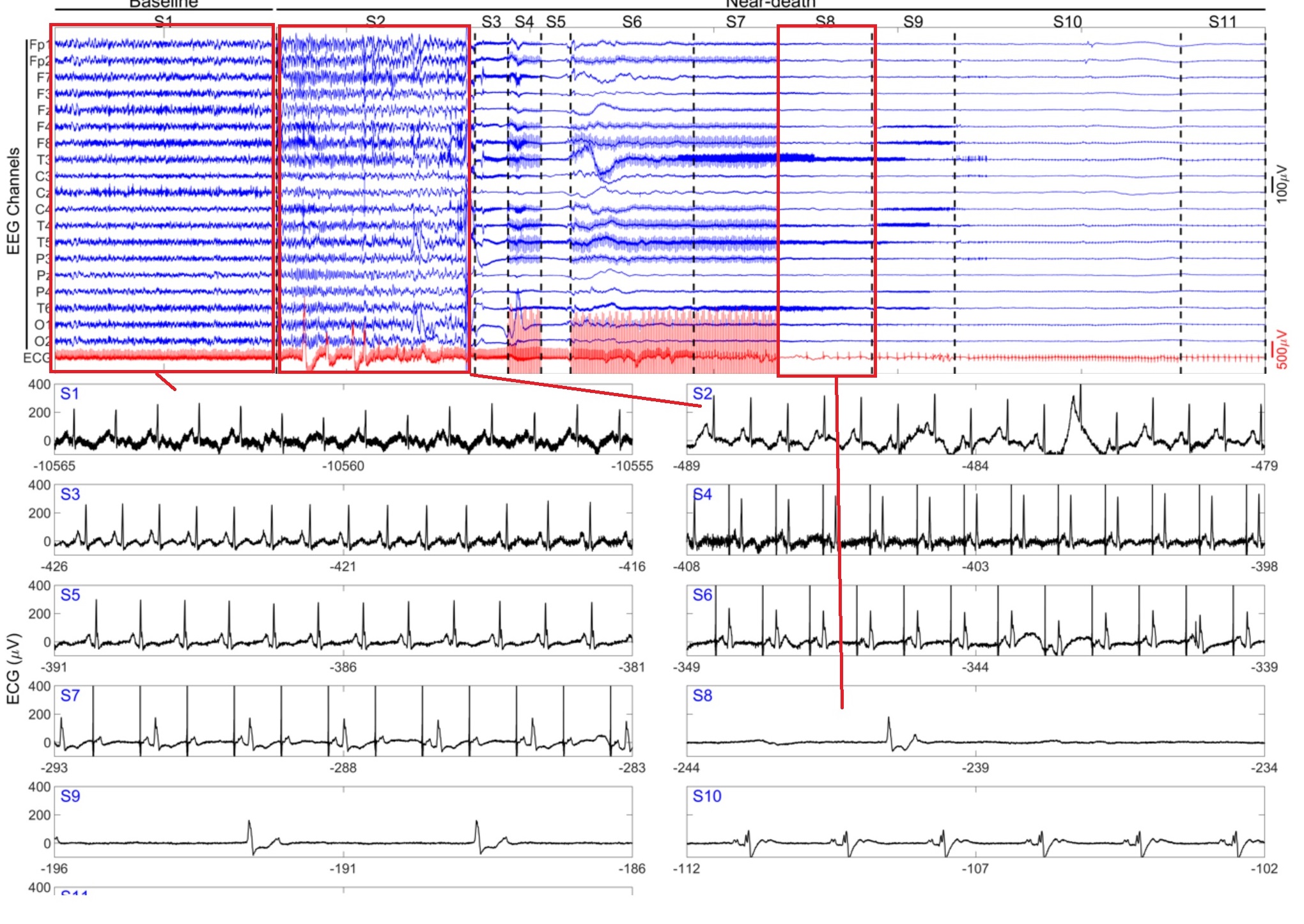
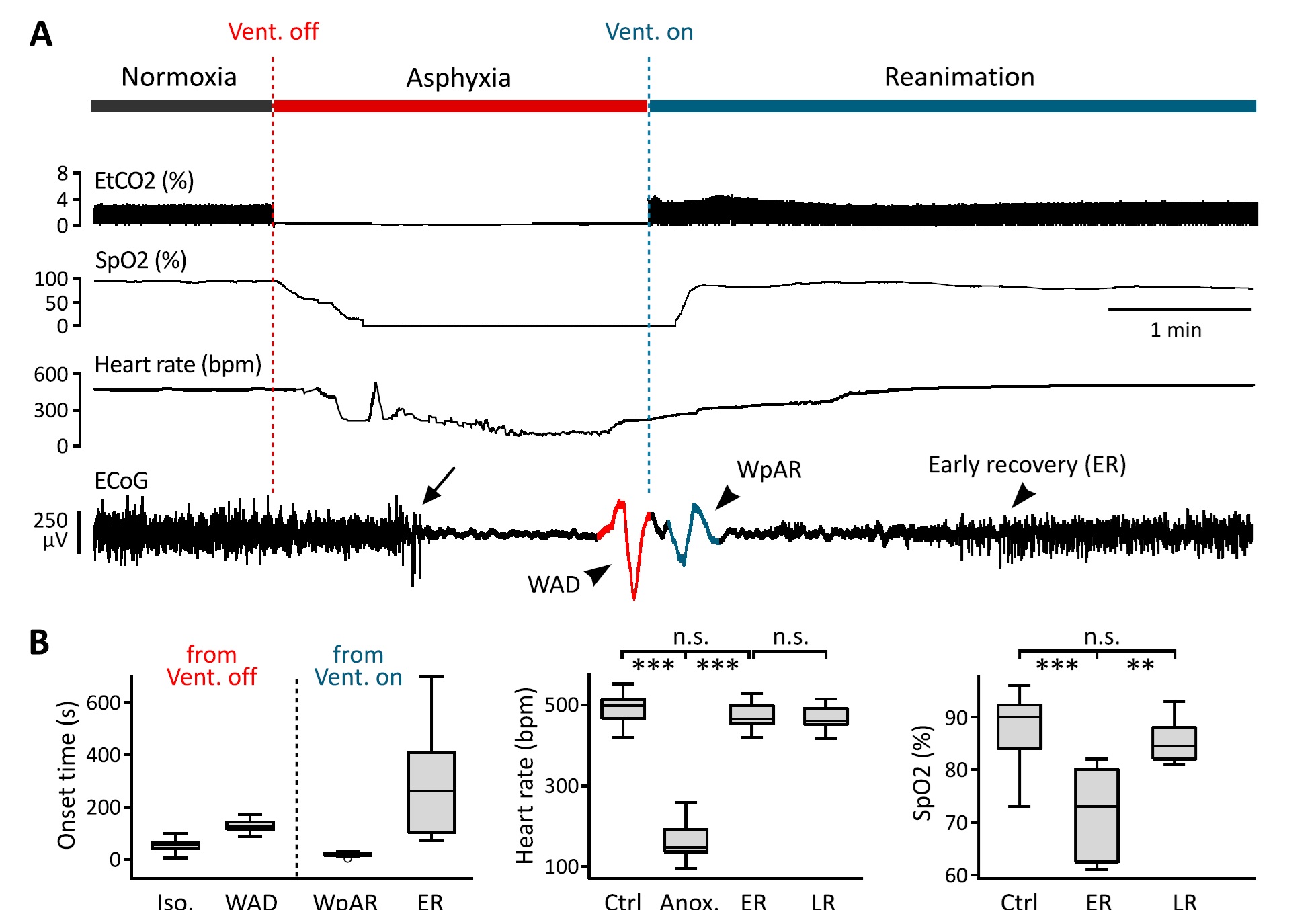
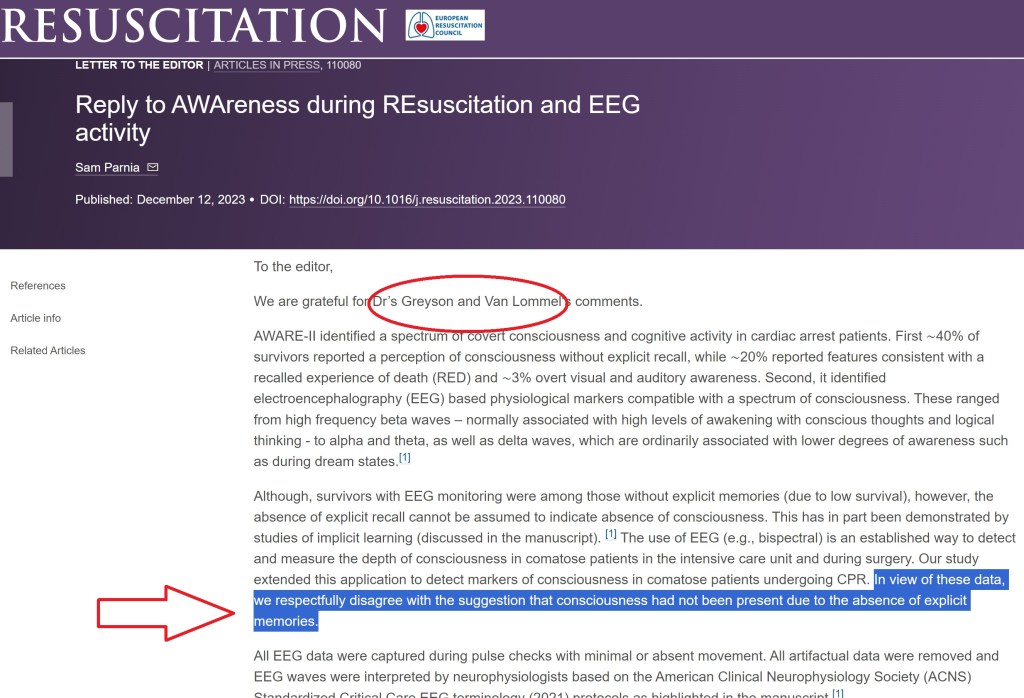
Then he cites Bjorgin’s studies…oh dear. He has completely missed the fact that she claims the EEG signals happened during CA in the coma patients, but in fact happened before CA. It is somewhat concerning that he has fallen for it when others like Van Lommel have not. He does the same with Chawla’s data from 2009. My gut feeling is that her data feeds into his own personal pet theory of disinhibition as he goes on to weave the data of EEG signals around the time of death with AWARE II. If I am honest, much of it is a little misleading, and unless you are familiar with the studies he is talking about you will walk away with the conclusion that there is a lot of brain activity during early death and that it is definitely related to the experiences people report when they achieve ROSC and survive long enough to be interviewed. He thus overstates the importance of AWARE II. I’d probably do the same if I had spent years working on it!
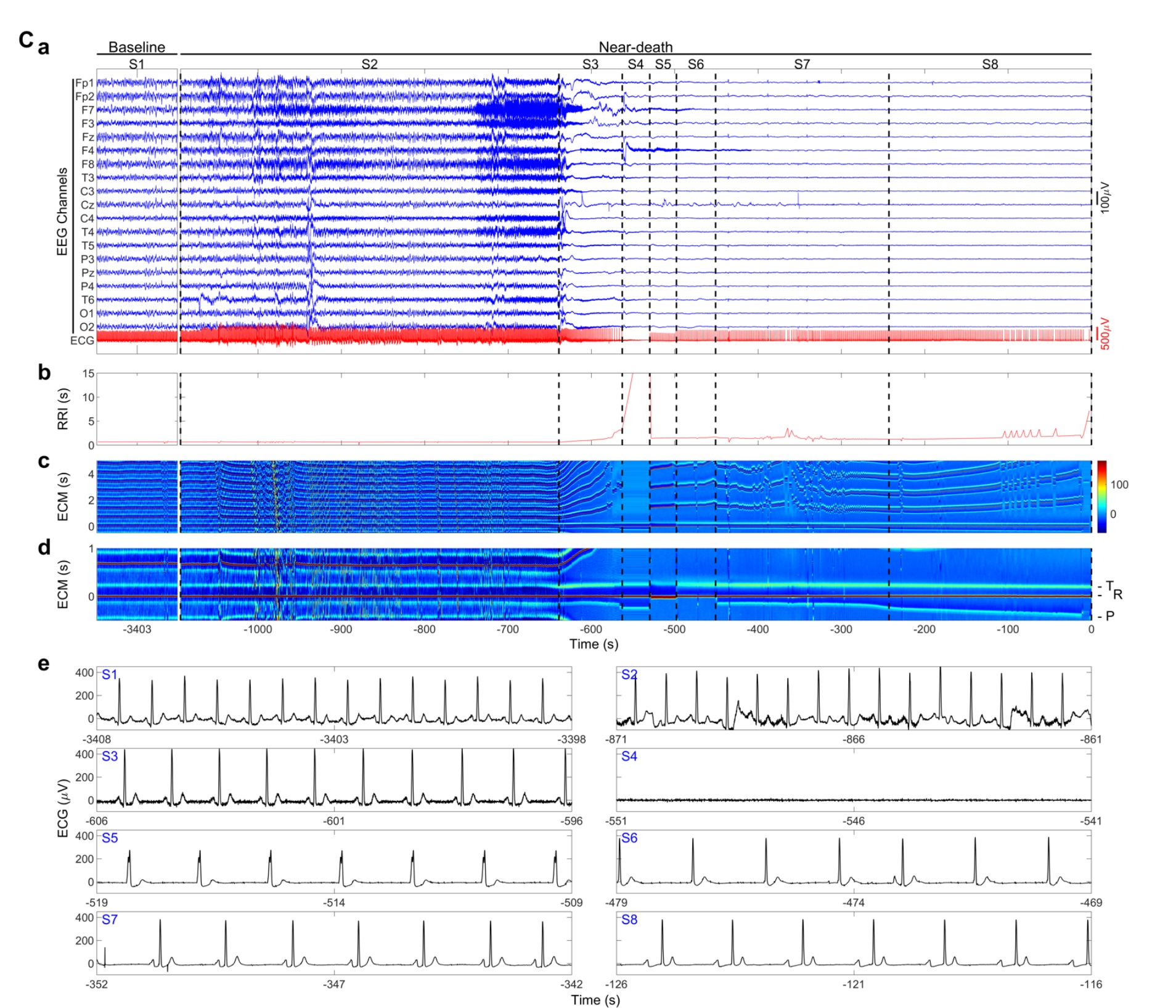
On Page 74 of the Kindle version he alludes to the fact that the whole subject area is Taboo in science and medicine, and this may affect his approach and his desire to wed scientific observations with his personal dualistic understanding, but it doesn’t wash. As I have said so many times before, the observations of EEG activity before and up to 30 seconds post CA (in rats) without external assistance, or up to 60 minutes with CPR, have never been tied to actual conscious recollections, so all hypotheses proposed to explain this are purely speculative, and all evidence circumstantial.
He explains very well how the AWARE II study differentiated from other experiences such as psychedelic experiences (but only by including interviews from subjects who had reported NDEs outside of the study).
I must admit, since he hadn’t fully explained his theory of disinhibition before, I had made some assumptions about what he had previously said. He now focuses quite a lot on the disinhibition of natural processes that are normally inhibited (regulated) and mean we can cope with the vast amount of complex information in a sensible and coherent manner, and that when disinhibition occurs, the brain releases all kinds of hormones to kick the body back into life that would normally be inhibited. He also talks about accessing new dimensions of reality. However, he very much grounds this initial treatment of disinhibition into a physicalist explanation as “a unique state of hyperconsiousness”. Having done this he then moves into true NDE territory…the next phase of death…lucid death.
Page 104 (my Kindle version) is perhaps the most important quote regarding his absolute position on the subject:
“We agree that they experience a new dimension of reality in death. We also do not think the finding of brain electrical markers of hyperconsciousness means the brain is producing the experience. On the contrary, it means the mind and consciousness, tethered to the brain in death, are interacting with and modulating the brain. Of course, this discussion goes to the heart of the ancient mind-body problem, also referred to as “the problem of consciousness” by scientists and philosophers today.”
He is inferring this implies dualism. He may be right about dualism, and he may right about these neurological markers being that, but the EEG data itself is not direct evidence that supports that assertion…it merely allows speculation.
He then goes on to discuss NDEs of various people and the different aspects of them. He goes through each of the 50 different facets of the narrative arc he describes in the 2022 consensus statement. It is an expanded version of the original core elements and contains more detail and specifics. It is a particularly good reference and contains lots of excellent examples.
He then talks about the nature of consciousness, with a very detailed summary of the different theories of consciousness and how ultimately a brain-based understanding is not supported by the evidence. He cites Eccles and Hoffman a lot who have left behind physicalist or reductionist viewpoints.
He then looks at Olaf Blanke’s use of autoscopy to mischaracterise OBEs and says it is like putting lipstick on a pig. He is almost as outspoken about this and Timmerman’s work on psychedelics as I am about Borjigin’s claims. The gloves definitely come off!
Last section he goes into what it all means for us from a philosophical perspective. I agree with some of what he says, but disagree sharply on other stuff, but will leave that to the book that I am currently in the process of finishing and that will be available in the Fall. He talks about confirmation bias and cognitive dissonance…I recognise that I am possibly guilty of this at times but I think he has a blind spot towards his own failings in this area and regards himself as an impartial judge…but I will save that for my book.
One thing that comes out of the book is my sense that he has all but given up on a scientific verification of OBEs. I may be wrong, but he seems to have come a point where he regards the difficulties of gathering enough interviews of survivors as to be so overwhelming that he may have abandoned the effort of doing it. Hard to say. I hope not.
Anyway, I would recommend all NDE nerds buy the book. The first section is hardgoing, which his publishers should have helped him with, but it is worth sticking with it as you will really have a full and complete picture of the subject after finishing.


 AwareofAware